
Domestic oil tanks can split or fail in intense heat
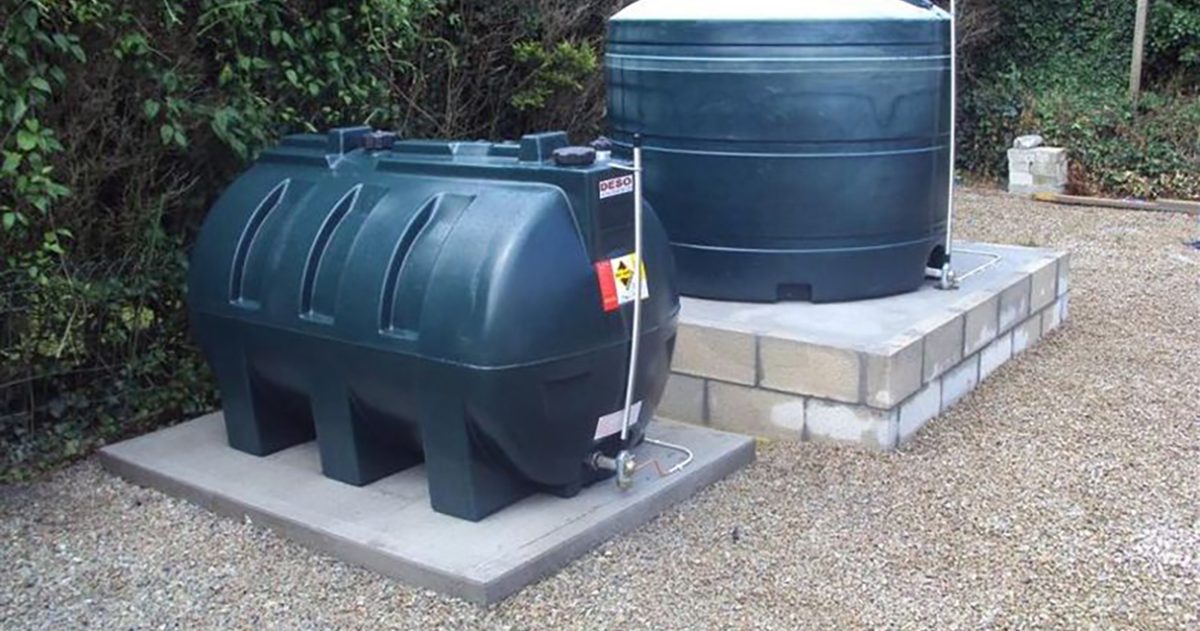
Domestic oil tanks can split or fail in intense heat, but it’s not usually as simple as just “bursting from heat alone.” It depends on the tank type and conditions.
What happens in intense heat?
1. Expansion of oil and vapour pressure
- Heating oil expands significantly when heated.
- In a sealed or poorly vented tank, this expansion increases internal pressure.
- If pressure builds enough, it can stress seams or weak points, potentially causing leaks or splits.
2. Plastic (polyethylene) tanks
- Most modern domestic tanks are plastic.
- Under high heat:
– The material softens
– Structural strength reduces - This can lead to:
– Bulging
– Distortion
– Cracking or splitting, especially if already aged or brittle
3. Steel tanks
- Most modern domestic tanks are plastic.
- Steel tanks don’t soften like plastic, but:
– Heat can cause thermal expansion
– Welds or joints can fail under stress - If corrosion is present, heat can worsen weak spots
Fire situations
In a fire or extreme external heat exposure, tanks are much more likely to fail because:
- Oil inside heats up and produces vapour
- Pressure rises rapidly
- Structure weakens
Result:
- Oil inside heats up and produces vapour
- The tank may split open or rupture
- However, domestic heating oil is not highly explosive like petrol, so it’s usually a leak-and-burn situation, not a dramatic explosion
Bottom line
- Tanks can split in intense heat
- More likely if:
– The tank is old or weakened
– The vent is blocked
– The tank is plastic and exposed to direct high heat or fire - Heat alone in normal weather conditions is unlikely to cause sudden failure — it usually takes extreme conditions or pre-existing issues
Practical advice
- Ensure the vent is clear and working
- Check for bulging, cracks or oil smells
- Replace tanks nearing end-of-life (15–25 years typical for plastic)
- Keep tanks shielded from direct sun where possible (helps longevity)