Author: Billy Allen

cold-room-in-house-1200x643.jpg

Why Does One Room Always Feel Colder Than the Rest of the House?

Why Does One Room Always Feel Colder Than the Rest of the House?

As the heating goes back on for the colder months, many homeowners notice the same frustrating problem: one room feels warm and comfortable, while another never seems to reach the right temperature.

While it’s tempting to simply turn the thermostat up, uneven heating can often be a sign that your heating system isn’t performing at its best.

Common Causes of Cold Rooms

Blocked or unbalanced radiators

Over time, radiators can become less efficient due to trapped air, sludge build-up or an unbalanced heating system. This can result in some rooms heating much faster than others.

Poor insulation

Heat naturally escapes through poorly insulated walls, windows and doors. Even a well-performing heating system can struggle to keep these areas comfortable.

Furniture placement

Large pieces of furniture positioned in front of radiators can prevent warm air from circulating effectively around a room.

Thermostat location

If your thermostat is located in a warm part of the house, it may signal the heating to switch off before colder rooms have reached a comfortable temperature.

Small Problems Can Lead to Bigger Costs

When your heating system isn’t distributing heat efficiently, homeowners often compensate by increasing the thermostat temperature. This can lead to unnecessary energy use and higher heating bills.

Need Some Advice?

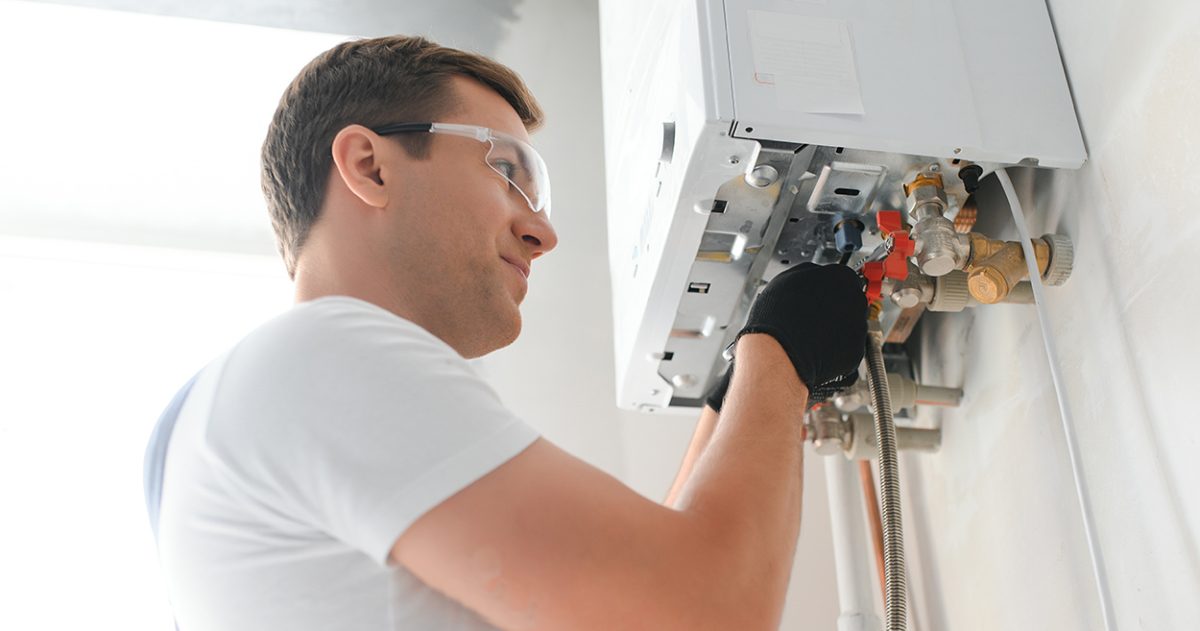
If certain rooms in your property never seem to get warm, the Austin Heating team can help identify the cause and recommend practical solutions to improve comfort and efficiency throughout your home.

Contact us here

heating-controls-sep26-1200x631.jpg

Are Your Heating Controls Costing Your Business Money?

Heating controls are often overlooked, yet they play a crucial role in the performance and efficiency of commercial and industrial heating systems.

Incorrectly programmed thermostats

If thermostats are incorrectly programmed or operating schedules no longer reflect how a building is used, businesses maybe heating empty spaces, running systems unnecessarily and increasing energy costs without realising it.

The benefits of simple checks

Simple checks can make a significant difference. Reviewing operating times, temperature settings and zone controls helps ensure heating is only being used when and where it is needed. This not only improves efficiency but can also enhance comfort levels across the workplace.

Improve performance, minimise the risk

As we move towards winter, businesses should take the opportunity to assess whether their heating controls are working effectively. Combined with planned maintenance, optimised controls can help reduce energy waste, improve system performance and minimise the risk of costly issues during periods of peak demand.
A small adjustment today could lead to meaningful savings throughout the heating season.

Contact us here

boiler-1200x631.jpg

MYTH BUSTER: “A Boiler Should Be Replaced As Soon As It Reaches 10 Years Old”

Myth:
“Once a commercial boiler reaches 10 years old, it needs replacing.”
Reality:
Age alone doesn’t determine whether a boiler needs replacing.

A well-maintained commercial or industrial boiler can often continue operating safely and efficiently beyond 10 years. In many cases, regular servicing, planned maintenance and timely repairs can significantly extend the lifespan of heating equipment.

What really matters is:

  • Operating efficiency
  • Reliability and frequency of breakdowns
  • Availability of replacement parts
  • Energy consumption and running costs
  • Compliance with current regulations

However, older isn’t always better.

If your boiler is experiencing frequent faults, rising fuel costs or increasing maintenance expenses, replacement may be the more cost-effective option in the long term. Modern systems can offer improved efficiency, enhanced controls and reduced energy consumption.

Signs It May Be Time to Consider an Upgrade:

  • Frequent breakdowns and call-outs
  • Increasing repair costs
  • Uneven heating performance
  • Difficulty sourcing spare parts
  • Rising energy bills
  • Reduced system efficiency

The Bottom Line

Don’t replace a boiler simply because of its age. The best approach is to have your system professionally assessed to determine whether continued maintenance or replacement will deliver the greatest value for your business.

At Austin Heating & Cooling, our engineers can evaluate your existing heating system and provide honest recommendations based on performance, reliability and whole-life cost—not just age.

oil-tank-1200x631.jpg

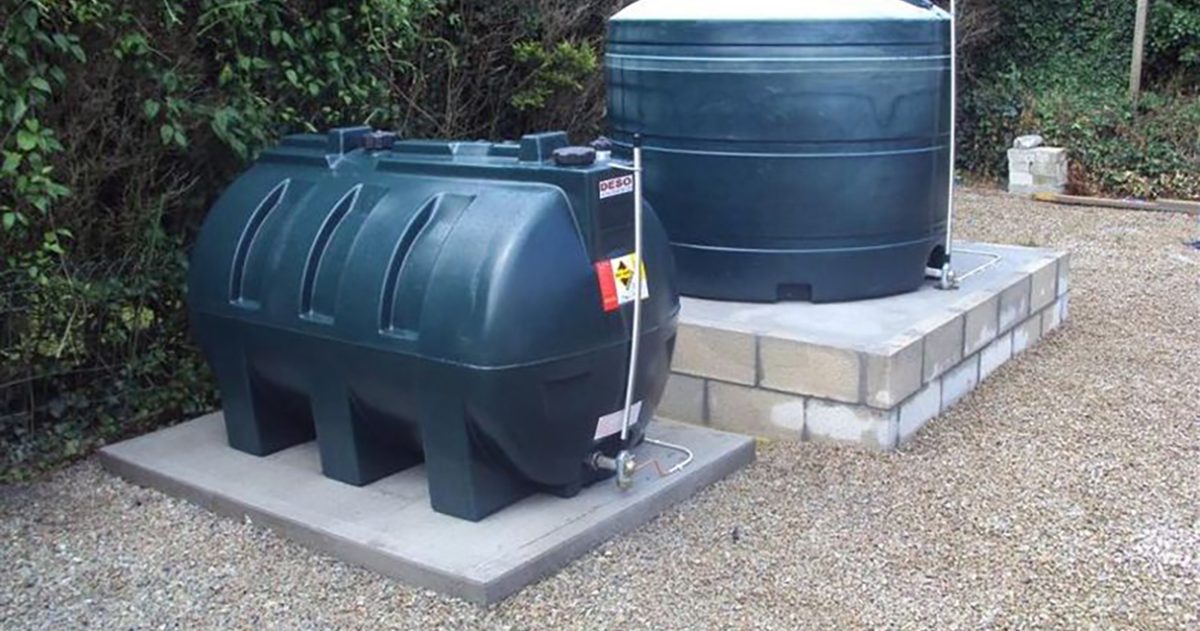
Domestic oil tanks can split or fail in intense heat

Domestic oil tanks can split or fail in intense heat, but it’s not usually as simple as just “bursting from heat alone.” It depends on the tank type and conditions.

What happens in intense heat?

1. Expansion of oil and vapour pressure

  • Heating oil expands significantly when heated.
  • In a sealed or poorly vented tank, this expansion increases internal pressure.
  • If pressure builds enough, it can stress seams or weak points, potentially causing leaks or splits.

2. Plastic (polyethylene) tanks

  • Most modern domestic tanks are plastic.
  • Under high heat:
    – The material softens
    – Structural strength reduces
  • This can lead to:
    – Bulging
    – Distortion
    – Cracking or splitting, especially if already aged or brittle

3. Steel tanks

  • Most modern domestic tanks are plastic.
  • Steel tanks don’t soften like plastic, but:
    – Heat can cause thermal expansion
    – Welds or joints can fail under stress
  • If corrosion is present, heat can worsen weak spots

Fire situations

In a fire or extreme external heat exposure, tanks are much more likely to fail because:

  • Oil inside heats up and produces vapour
  • Pressure rises rapidly
  • Structure weakens

Result:

  • Oil inside heats up and produces vapour
  • The tank may split open or rupture
  • However, domestic heating oil is not highly explosive like petrol, so it’s usually a leak-and-burn situation, not a dramatic explosion

Bottom line

  • Tanks can split in intense heat
  • More likely if:
    – The tank is old or weakened
    – The vent is blocked
    – The tank is plastic and exposed to direct high heat or fire
  • Heat alone in normal weather conditions is unlikely to cause sudden failure — it usually takes extreme conditions or pre-existing issues

Practical advice

  • Ensure the vent is clear and working
  • Check for bulging, cracks or oil smells
  • Replace tanks nearing end-of-life (15–25 years typical for plastic)
  • Keep tanks shielded from direct sun where possible (helps longevity)
hewatwavefeature-1200x631.jpg

It’s a heatwave………Is Your Boiler Ready for Winter?

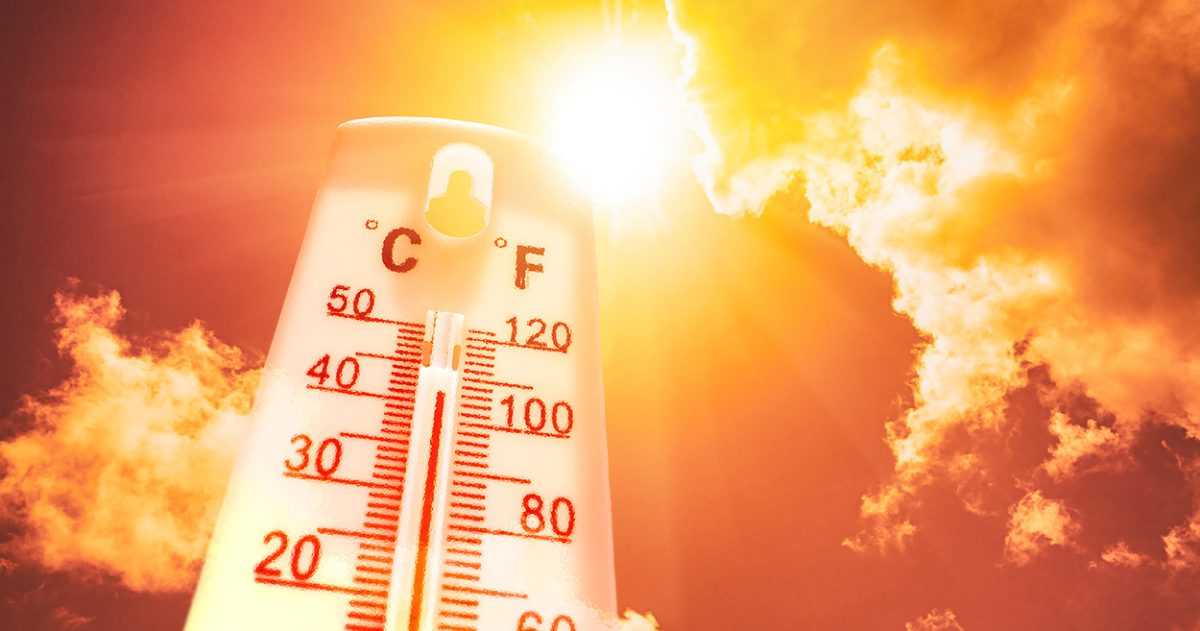
With temperatures climbing to 30°C and beyond across the UK this week, most households are understandably focused on keeping cool, not thinking about their heating systems. However, we are encouraging homeowners across Norfolk and Suffolk to think ahead and book their annual boiler service now, before the colder weather arrives.

Planning Ahead Could Save You Time and Stress

While it may seem unusual to think about heating during a heatwave, the reality is that demand for boiler servicing and repairs rise sharply as soon as temperatures begin to drop.

This seasonal surge often leads to longer wait times and limited appointment availability, leaving some homeowners without reliable heating just when they need it most. By contrast, summer offers greater flexibility and faster booking options—making it the ideal time to ensure your heating system is fully prepared.

Why an Early Boiler Service Matters

Arranging your annual boiler service during the warmer months can provide several key benefits:

  • Improved efficiency – helping to reduce energy bills when heating use increases
  • Lower risk of breakdowns – preventing inconvenient and costly repairs
  • Better system performance – ensuring your boiler runs smoothly when needed
  • Peace of mind – knowing your home or business is winter-ready

Regular servicing is also important for maintaining safety and keeping your system compliant. Book Your Boiler Service Today.

austin-van-sm-aug25-1200x630.jpg

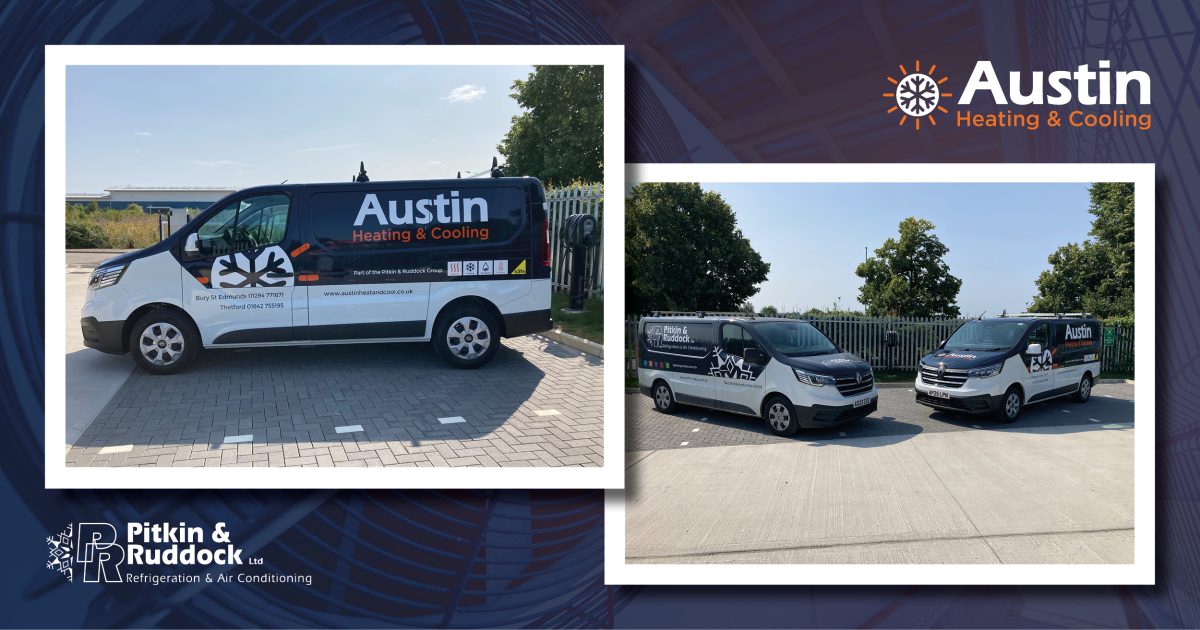
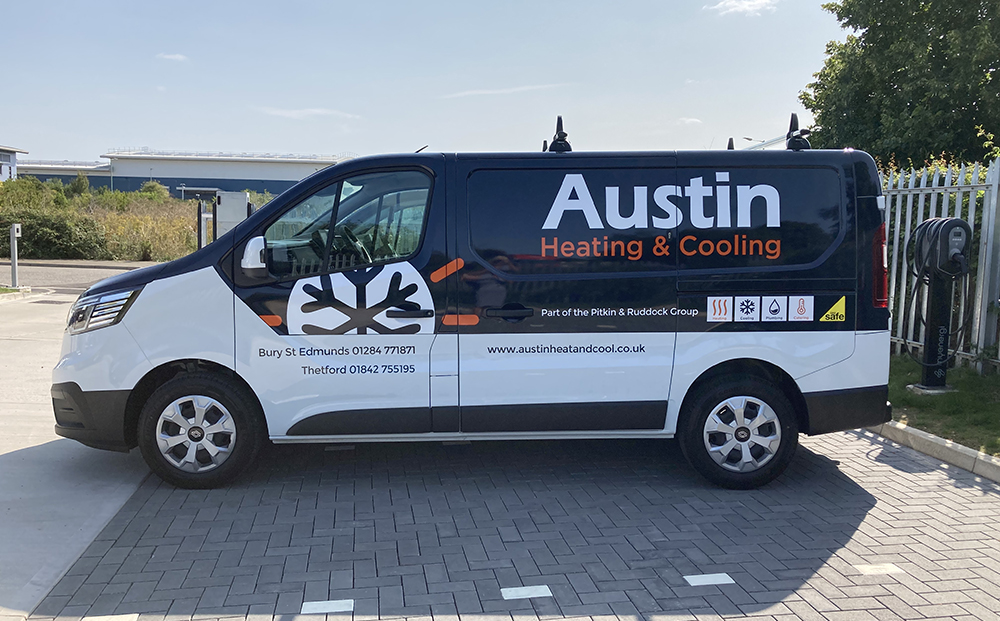
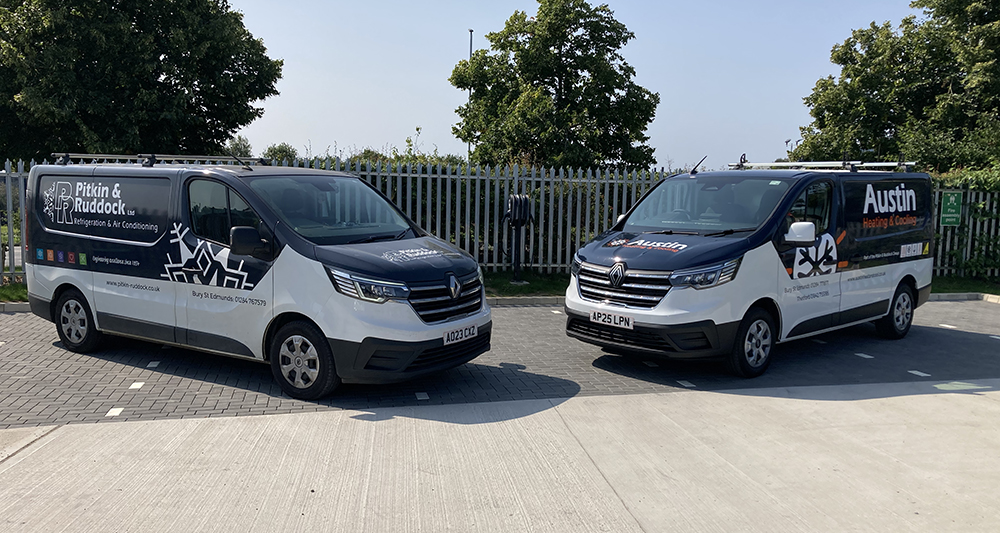
Brand-new livery on the latest van to join the Austin Heating & Cooling fleet

We’re excited to reveal the brand-new livery on the latest van to join the Austin Heating & Cooling fleet. The striking new design proudly showcases our name and services while making sure we’re instantly recognisable on the road.

Just like our team, the new van is ready to deliver the same trusted, professional service our customers know and rely on — now with an updated look that reflects our commitment to quality and innovation.

austin-follow-sm-aug25-1200x630.jpg

We’d love for you to join us on social media

Austin Heating & Cooling is now officially on Linkedin, Facebook and Instagram. We’d love for you to head over to our accounts and join us!

Linkedin: https://www.linkedin.com/company/austin-heating-and-cooling
Facebook: https://www.facebook.com/profile.php?id=61578114793896
Instagram: https://www.instagram.com/austinheatingandcooling/

Follow our page to keep up with the latest news, helpful tips, and updates on the services we provide. Whether it’s heating, cooling, or keeping your spaces comfortable year-round, you’ll find useful information and a closer look at what we do best

Like, share, and join the conversation!

ahc-intro-tile-jul25-scaled-1-1200x800.jpg

We are excited to announce that we are now part of Pitkin & Ruddock Ltd

We are excited to announce that Derek Austin Heating Ltd (trading as Austin Heating & Cooling) and Ice Box Air Conditioning Ltd are now part of the Pitkin & Ruddock Group.

This marks a significant step forward for both companies as we unite our teams, expertise and shared commitment to excellence. The addition of a commercial heating and plumbing company alongside Pitkin & Ruddock’s refrigeration and air conditioning expertise strengthens their ability to meet the evolving needs of our customers.

With the heating market shifting towards air to water heat pump systems as a sustainable alternative to traditional gas and oil-fired heating, this expansion positions us at the forefront of the industry. By combining our knowledge and resources we are well placed to provide innovative, energy-efficient solutions for businesses adapting to these changes.

Additionally, this presents exciting opportunities to expand the Pitkin & Ruddock customer portfolio, allowing them to support a broader range of industries and businesses with our enhanced capabilities.

We look forward to welcoming and working alongside our new colleagues, building on the strong foundations already in place and continuing to deliver the high standards of service and technical excellence our customers expect.

Here’s to a bright and successful future ahead!